Preventing Erosion & Protecting Soil

Keeping soil where it belongs — learn to spot and manage erosion risks in hillslopes, gullies, and waterways.

Home » My Region » Tasman Rural Hub » Preventing Erosion & Protecting Soil

Erosion can happen suddenly after a storm or develop slowly over time. It often begins with small signs such as a slump on a hillside, a widening gully, or soil shifting after rain. These early indicators can grow into serious issues that reduce productivity and damage your land.

This page outlines the early warning signs to watch for, why they matter, and the practical steps you can take to keep your productive soils where it belongs.

Industry Links 

Beef+Lamb NZ -Holding onto soil - minimising sediment loss to waterways 

Dairy NZ  - Erosion control - how to reduce and prevent erosion 

Hort NZ -Erosion and Sediment Control Code of Practice
What is erosion? 

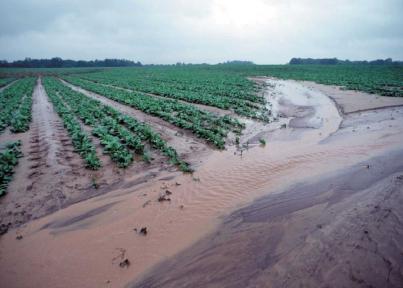
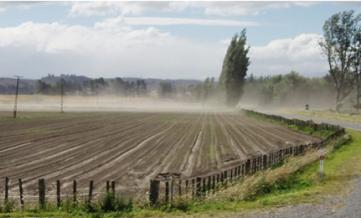
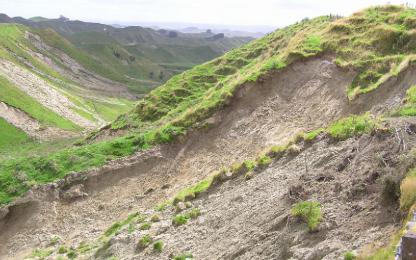
Erosion is the loss of soil from land caused by rainfall, gravity, slope steepness, and soil type.  It is often made worse by land use that reduces vegetation cover and alters natural drainage.  Over time, this erosion removes valuable topsoil, and during heavy rainfall can also trigger slips or landslides.

Why it matters

When soil moves, you lose more than just dirt. Erosion can reduce farm productivity, increase costs, and affect the health of nearby waterways.  Erosion, if left unaddressed, can lead to: 

·         Loss of topsoil, nutrients, and organic matter.   
·         Reduced pasture growth and lower stock-carrying capacity.
·         Sediment entering streams, impacting water quality and smothering benthic (river/streambed) communities.  
·         Expansion of erosion-prone areas if left untreated.


Over time, these vulnerable areas can expand across the landscape, particularly where flowing water repeatedly gathers and carves its path. Taking early action helps protect your soils, and in turn, your land and its productivity.


What you can do

Most erosion issues can be reduced by focusing on Five key actions:

1. Keep soil covered

Maintain strong pasture cover and avoid creating bare ground, especially on steep slopes and during wet periods. Bare soil is far more vulnerable to erosion, runoff, and sediment loss.

2. Slow and manage water flow
  • Identify where runoff concentrates (e.g.,tracks, gullies, compacted areas) and break up flow paths early.
  • Slow water down and spread it out across slopes wherever practical.
  • Protect critical source areas such as wet spots, bare patches, and steep headwaters to reduce sediment mobilisation during storms.
      Useful guidance:
3. Plant for stability
  • Stabilise the most vulnerable areas first, particularly where erosion is active or spreading.
  • Deep‑rooted trees and targeted native planting can strengthen soil and reduce the risk of slips and gully expansion, especially on steep faces, erosion scars, and along drainage lines.
4. Protect vulnerable areas
  • Fence off erosion‑prone land, gullies, and waterways to prevent ongoing damage.
  • Consider retiring steep faces that slip repeatedly or provide little productive value.
  • Protect wetlands to maintain their natural filtering functions.
  • Establish and maintain vegetated buffers to trap sediment before it reaches streams and reduces water quality.
     Useful guidance:
5. Improve soil health
  • Build organic matter to improve soil structure and resilience.
  • Avoid or reduce soil disturbance to maintain soil structure. 
  • Avoid or reduce compaction to increase infiltration and reduce runoff.
  • Use soil tests and targeted inputs to support strong pasture cover.
     Useful guidance:

Specific types of erosion to watch for and manage in Tasman

In Tasman, we commonly see five main types of erosion.
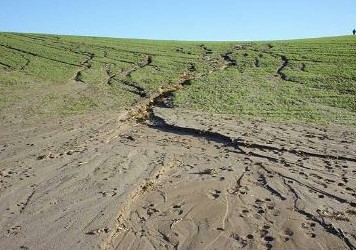
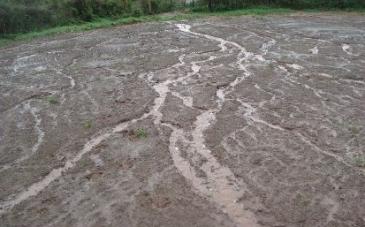
  1. Hill-slope erosion (Sheet and rill erosion)
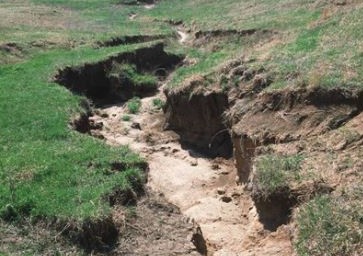
  2. Gully erosion
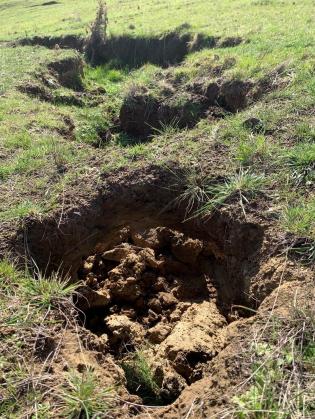
  3. Tunnel erosion
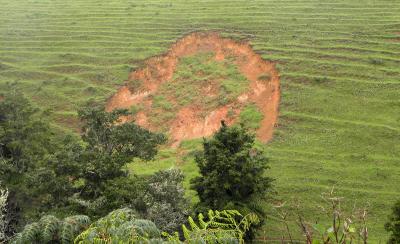
  4. Slips and Slumps
  5. Sediment run-off
  6. Wind erosion
Below you’ll find information to help you identify each type, along with practical options to prevent erosion on your property or remediate areas where it has already occurred.

Need help with erosion on your property?

If you’re noticing slips, expanding gullies or repeat problem areas after rain, or if you’d like advice on planting, fencing or stabilisation work, our Catchment Team is here to help.


We can assess what’s causing the issue and talk through practical options to help protect your land.

Contact us:
📞 03 543 8400


We sometimes have plants available for erosion control and restoration. 


For further information on our Catchment Enhancement Fund and Catchment Groups - Funding and Assistance | Tasman District Council
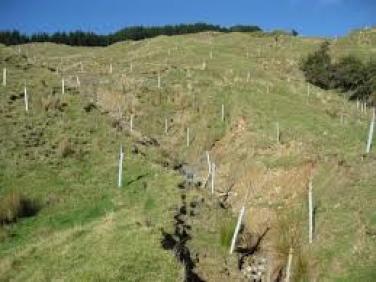
One year old poplar and willow plantings (Photo: Nick Pollock, MAF, Gisborne)