Good Management Practices around Waterways and Critical Source Areas (GMPs 9-11) aim to minimise the transport of sediment, nutrients, and faecal bacteria into waterbodies, either directly from livestock accessing waterways or via overland & subsurface drainage.
CSAs are parts of the landscape where contaminants are mobilised and transported to waterways. They typically occur where the following three factors come together:
Contamination Hotspots are areas where point‑source contaminants can enter waterways, for example, a stock‑crossing bridge without bunded sides, which allows runoff to flow directly into the waterway.
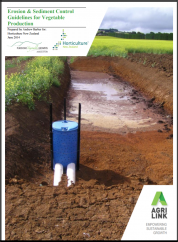
Erosion and Sediment Control Guidelines.
Produced for HortNZ, this is a ‘How to’ guide in implementing these four steps. The concepts discussed are relevant to all primary industries
You can do this by following these four steps:
1. Paddock selection - this forms the foundation on which to implement mitigation measures.
2. Implement control measures for stopping or controlling water entering the paddock.
3. Implement erosion control measures to keep soil on the paddock.
4. Implement sediment control measures to manage the water and suspended solids that move off the paddock.
Deer Farming
Minimise fence pacing for deer farming by:
Dairy
You can show you meet this GMP with:
How you can do this:
Deer Farming
Dairy
You can show you meet this GMP with:
How you can do this:
➡️ NOTE: Good Management Practices have been established from industry-agreed principles. These principles may be more stringent than National or Regional direction. In the case of stock exclusion, by meeting GMPs, you will be more resilient to regulatory change and will meet the National Stock Exclusion Regulations. If you're interested in learning more about the National Regulations, head on over to our Stock Exclusion page.
Dairy
You can show you meet this GMP with: