Winter grazing includes a range of feeding systems, not just forage crops. Whether you’re using a crop–pasture mix, strip‑grazing pasture, or feeding supplements, all winter‑feeding systems play a critical role in meeting animal energy needs when pasture growth slows or stops. Applying good management practices across all forms of winter grazing supports animal performance, protects soils and waterways, and helps keep the whole farm system functioning well through winter.
This page does more than explain the National Intensive Winter Grazing (IWG) rules and what they mean for you. The rules apply to winter grazing of annual forage crops; other winter-feeding systems can also present similar environmental risks if they’re not well managed. That’s why this page includes Good Management Practices you can use across different winter grazing and feeding systems.
At the bottom of this page, you’ll find links to industry‑specific guidance and templates to help you put together a practical Winter Grazing Management Plan that suits your farm.
In Tasman, Intensive Winter Grazing is covered by the National Environmental Standards for Freshwater (NES‑F). You can read the IWG rules in full, here. From October 2024, two key rules apply:
For clarity:
Industry‑led tools and guidance are available to help you apply good management practices. Select your industry below to access resources targeted to your farm system
• On Farm Support (MPI) 0800 70 71 33 | [email protected]
• Beef + Lamb New Zealand 0800 BEEFLAMB (0800 233 352) |
[email protected]
• DairyNZ 0800 4 DairyNZ (0800 4 324 7969) | [email protected]
• Dairy farmers can also contact their milk company for information.
• Deer Industry NZ 04 473 4500 | [email protected]
• Federated Farmers 0800 327 646 | [email protected]
Tasman District Council Catchment Advisors are available for advice on winter grazing GMPs and wintering management plans.
03 5438 400 | [email protected]
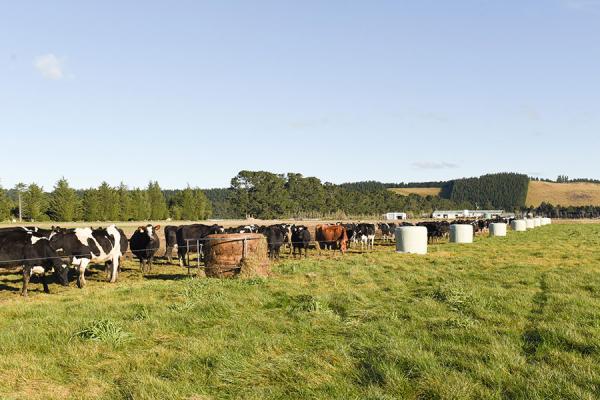
Cows feeding on silage and ryegrass straw through a hybrid bale grazing system
While the National Intensive Winter Grazing (IWG) regulations apply only to forage crops fed during the winter months, here in Tasman many farms also use other winter‑feeding systems such as crop‑pasture mixes, strip‑grazing pasture, and supplement feeding of silage and baleage.
Good wintering practices help you to:
Winter grazing often happens when soils are wet and fragile, and stock are concentrated in smaller areas, such as behind a winter crop break fence. Without careful management, these conditions can quickly increase pressure on soils and waterways.
Dung and urine deposited onto wet, muddy ground with limited cover, combined with stock movement, can lead to pugging, soil compaction, and higher runoff. This runoff can carry sediment, nutrients (such as phosphorus and nitrate), and faecal microbes into waterways. Good management practices are key to reducing these risks and protecting both water quality and on‑farm productivity through winter.
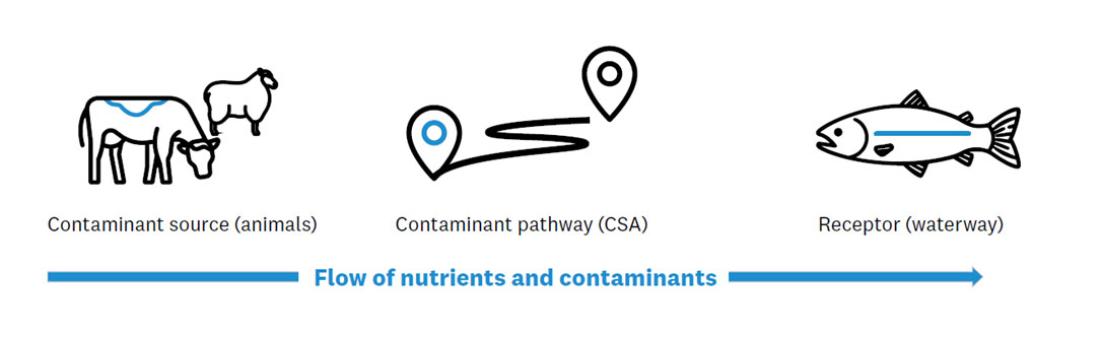
Runoff from winter grazing can enter waterways through critical source areas (CSAs), where contaminants can quickly damage water quality and ecosystems. Although nitrate from urine is mainly lost through drainage, it can also be carried in surface runoff during wet winter conditions.
Low‑lying features such as gullies, swales, and depressions naturally collect runoff and funnel it toward streams and drains. Under winter grazing, these areas become high‑risk pathways for sediment, nutrients, and microbes. Identifying CSAs and managing them effectively is one of the most important steps you can take to reduce wintering risks.
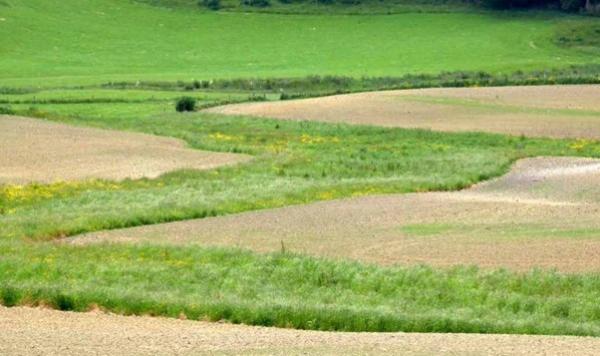
A typical low gradient critical source area under good management
Identifying and managing CSAs is particularly important on rolling and undulating land, where runoff can move quickly downslope and into waterways.
Many CSAs are ephemeral waterways. These areas are dry for much of the year but carry water during or after heavy rainfall. Runoff from several areas can converge into these flow paths, and natural springs can also act as CSAs. If you’re unsure whether an area is a CSA, the safest approach is to keep stock out using temporary or permanent fencing.
High‑use areas around the farm can also behave like CSAs, especially where soil damage and runoff risk are high. These include:
Being aware of these areas and how winter grazing affects them helps prevent runoff from increasing and reduces pressure on waterways.
The risk of nitrate leaching is higher during the cooler, wetter months when winter grazing takes place. Intensive grazing can lead to high nitrogen losses from animal urine patches.
In the soil, this nitrogen is naturally converted to nitrate and can be lost to groundwater through leaching.
Planting catch crops after forage crop grazing can help reduce these losses by 'mopping up' excess nitrogen in the soil before it is leached. Catch crops can also increase annual dry matter production and support soil recovery following winter grazing.
Here are some practical ways to protect soil structure and reduce contaminant losses to waterways on your farm:
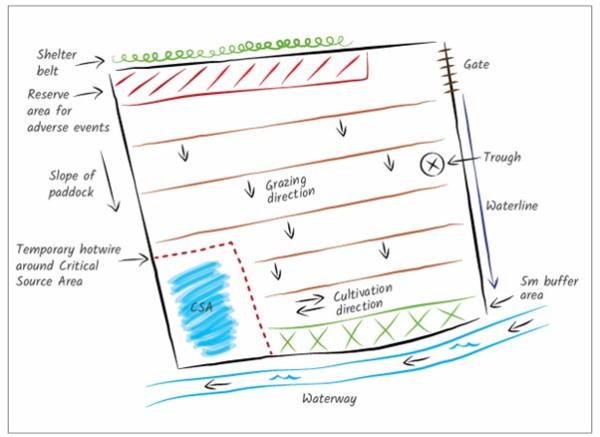
Winter grazing paddock plan (Credit: B+LNZ)
A good winter grazing plan clearly identifies the environmental risks linked to the activity and sets out how you will manage and reduce them. This includes actions to limit nutrient and sediment runoff and protect soil structure and productivity.
Your winter grazing plan should be the main reference for you and your farm team throughout the winter months. It’s also important to have a Plan B in place, so you can adapt quickly if prolonged wet or adverse weather conditions occur.
The Ministry for the Environment has also produced the following technical guidance: