Working to GMP standards puts your farm ahead of the game, and ahead of regulatory requirements, making you more resilient and better prepared for whatever changes come next.
Here, you’ll find a guide that outlines these primary sector–wide practices and offers practical ways they might apply on your farm.
Each primary sector has created specific guidance to help you understand and apply Good Management Practices.
Websites:
There are 21 industry-agreed Good Management Practices designed to improve water quality by reducing nitrogen, phosphorus, sediment, and faecal contaminants.
These practices were developed with input from farmers and a wide range of industry groups, including:
By working together, with support from both central and local government, these primary sector groups agreed that adopting GMPs is not only efficient, it also reduces business risks and environmental impact.
"It's not just the right thing to do; it's also smart business". (DINZ Environmental Code of Practice 2018)
The Industry-agreed Good Management Practices Booklet(external link) (2015) was updated in 2018 to become the Good Farming Practice - Action Plan for Water Quality 2018 and can be downloaded here(external link). The 21 Industry Agreed GMPs are presented on page 4, and this structure is reflected in this guide.
➡️ NOTE: The terms GMPs and GFPs are used interchangeably by industries and mean the same thing.
Each primary sector has created specific guidance to help you understand and apply Good Management Practices. These guides include examples of records you’ll need to keep and practical tips for activities like winter grazing, managing Critical Source Areas (CSAs), and erosion-prone land.
You can find this information on your industry's website by searching “Good Management Practices” or “Code of Practice”.
The Deer, Pork, and Dairy sectors have also developed their own tailored documents based on GMPs. Links to these resources are available under the Useful Links tab at the top of this page.
Tasman District Council supports Good Management Practices (GMPs) and recognises the great work farmers and growers are already doing to improve land management and protect freshwater.
These practices align with industry standards and form a strong foundation for Freshwater Farm Plans (FWFPs), helping safeguard Tasman’s land and waterways.
While GMPs set minimum standards nationwide, some catchments may need farmers to go further, especially where freshwater or ecosystem health is under pressure. In Tasman, two such areas are the Waimea Plains and the WAMARA, where farmers may need to meet higher standards.
This guide brings together all 21 industry-agreed Good Management Practices (GMPs) and groups them into six key management areas for easy reference.
|
1. General Principles - Farm Planning & Recording - |
4. Land & Soil |
|
2. Nutrients |
5. Effluent & Wastewater |
|
3. Waterways & Critical Source Areas |
6. Water & Irrigation |
Each management area is broken down into specific practices, with examples from different sectors showing how to put them into action, including any industry-specific requirements.
These examples come from primary sector guides (Dairy, Deer, Beef & Lamb, Horticulture) that outline what good environmental management looks like, highlight key focus areas, and show the information you can use to demonstrate compliance.
Links to these guides are available under ‘Useful Links’ at the top of this page.
➡️ IMPORTANT:
 General Principles - Farm Planning and Recording
Find out more about the General Principles, including farm planning and records.
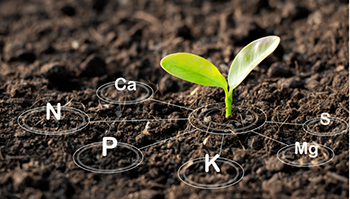 Nutrients
Find out more about Good Nutrient Management Practices
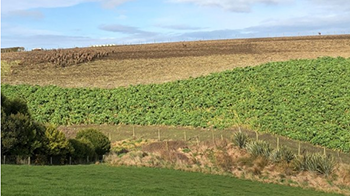 Waterways and Critical Source Areas
Find out more about Good Farming Practices around Waterways and Critical Source Areas
 Land and Soil
 Find out more about Good Land and Soil Management Practices
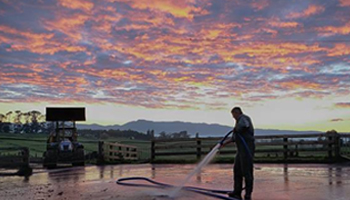 Effluent and Wastewater
Find out more about Good Effluent and Wastewater Management Practices.
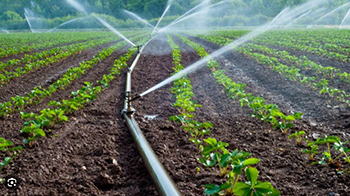 Water and Irrigation
Find out about Good Water and Irrigation Management Practices.