

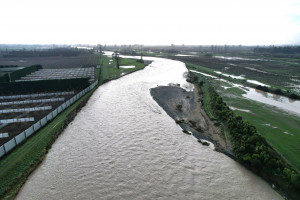
One of the main questions raised by the June/July weather events is what can be done to manage future flood damage and risk to our communities.
The recovery period is still in its early stages and the initial focus will be on protecting key public infrastructure and people at risk.
However, we acknowledge that a significant part of the recovery is ensuring there are measures and actions taken to support resilient rivers and the communities that draw so much from them.
It is hard to overstate just how severe this flood event has been for the District – having endured a 100-year flow event (1% Annual Exceedance Probability) after receiving two months of rain in a 48-hour period around 27 June.
The scale of damage was exacerbated by the subsequent flooding on 11 July, which although smaller than the June flood was still at least a 50-year flow event or larger in many rivers, with even greater damage caused by high winds and saturated ground.
In the short term, we’ve been carrying out reactive management works to protect people and lifeline infrastructure during the series of damaging floods. We’ve also been working with river engineers from around New Zealand, through Te Uru Kahika, who have been offering valuable guidance and assistance.
Broader remedies to restore rivers and protect property will need much more time and effort to implement, as well as significant investment. It will also require many conversations with those affected by the floods and sound long-term planning in order to establish the best way forward.
However, we have to – and will – build back better.