

Ant behaviour and control
Effective ant control depends on correctly identifying the species, as different types require different treatment methods.
The two most common ant invaders of homes in Tasman are…
Effective ant control depends on correctly identifying the species, as different types require different treatment methods.
The two most common ant invaders of homes in Tasman are…
Four reserves closed to vehicles
Due to ongoing issues with damage, the following reserves are closed to vehicles:
Firestones Reserve (Lee Valley)
Twin Bridges Reserve (Aniseed Valley)
White Gates Reserve…
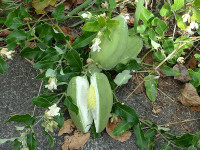
Moth plant has caused havoc in the North Island, particularly in Northland. So far, it has only been found at a handful of sites in Tasman,…
Tasman District Council is working extremely hard to ensure that all drinking water supply systems it manages meet the treatment standards demanded by the Water Services…
If there are water restrictions in place, information about it is found on this page.
Tasman District Council (TDC) commissioned an independent peer review of the monitoring programs associated with Te Waikoropupū Springs (TWS), responding to recommendations from the Environment Court…
Great news – we have created two new site-led feral/stray cat programmes at high biodiversity value sites in Tasman.
This is to help protect native birds, insects…
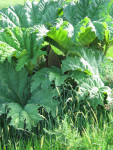
This pest plant is a prickly potential spreader that we hope to keep out of Tasman.
Gunnera tinctoria – otherwise known as Chilean Rhubarb – looks like…
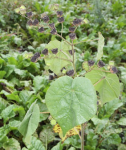
Have you seen this pest plant? For the health of our crops, we hope not.
Velvetleaf (Abutilon theophrasti) is an Exclusion Pest in the Tasman Nelson Regional…
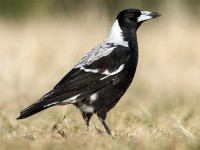
Australian Magpies (Gymnorhina tibicen) were first introduced to the region in 1865 from Victoria Australia to control pastoral insect pests. The magpie’s most distinctive characteristic is…