

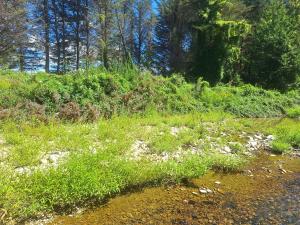
The June/July floods last year have led to a significant increase in the spread of pest plants throughout the District.
As floodwaters moved across properties and river margins, they carried fertile plant fragments, seeds and bulbs into new areas. We are now seeing the aftermath, with numerous pest species establishing in new places.
New infestations include high-priority eradication species such as Asian knotweed and Himalayan balsam, both listed in our Regional Pest Management Plan. Other pest plants now appearing more widely include Jerusalem artichoke, montbretia, blackberry, convolvulus, old man’s beard, barberry, hawthorn, horehound, Californian stinkweed, broom and gorse.
Unfortunately, we do not have enough resources to control all these flood-spread weeds, and we must focus our efforts on eradication species in our Pest Management Plan, where we can make a real difference and stop these plants from establishing in Tasman.
Asian knotweed remains a key focus. A member of the dock family, it develops an extensive underground root system that can extend for metres in mature plants. These roots are powerful enough to damage concrete foundations and infrastructure.
Infestations are currently known from the Wangapeka, Wai-iti, Motueka and Riuwaka river systems. Since last year’s flooding, several new sites have already been identified.
We ask you to keep an eye out for Asian knotweed and let us know if you come across it anywhere in Tasman. Quick reporting allows our Biosecurity team to respond before plants become established and spread further.
If you want advice on how to take care of pest plants on your property, our Biosecurity team can provide advice, or you can check out the helpful guides here(external link).
Get in touch with our Biosecurity team at [email protected] or 03 543 8400.